224.454 Spatial Design Research Project
224.455 Spatial Design Studio Project
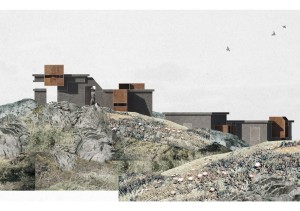
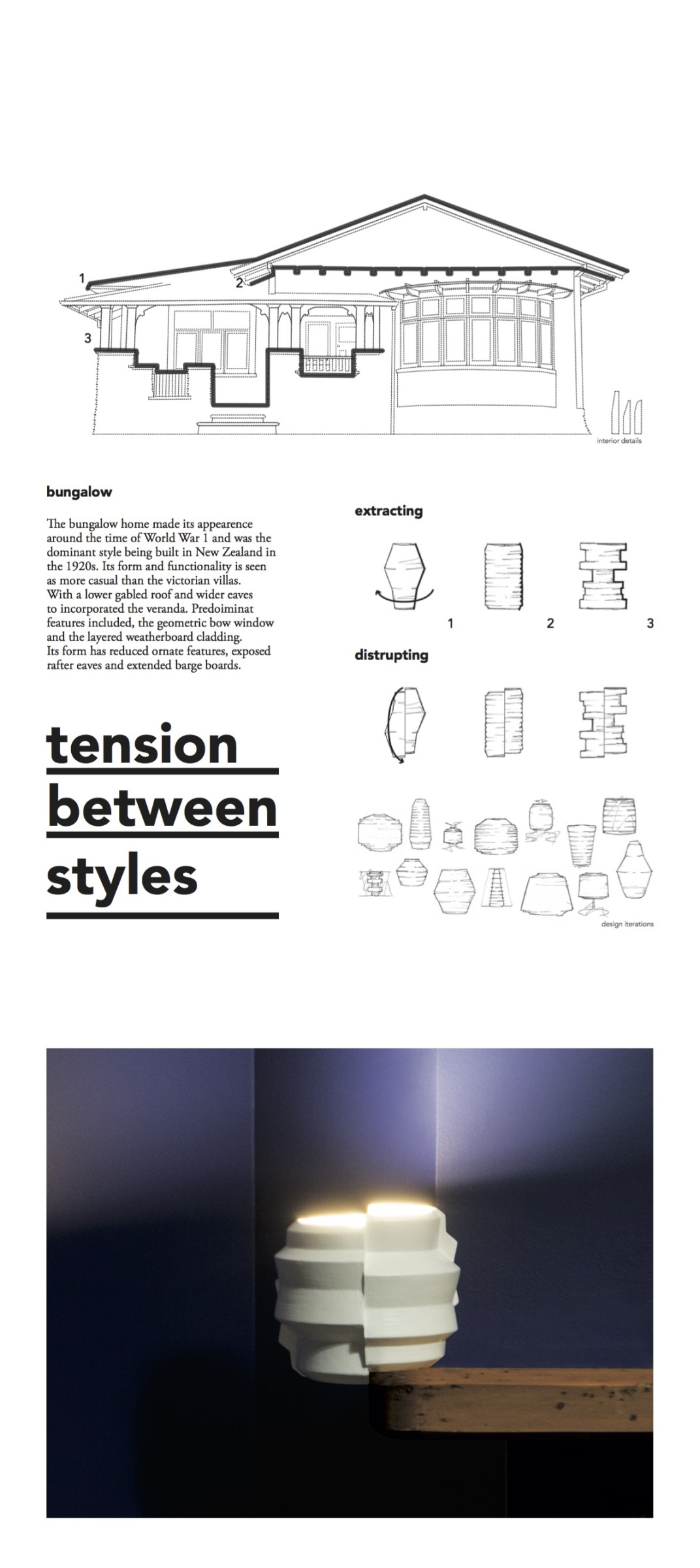
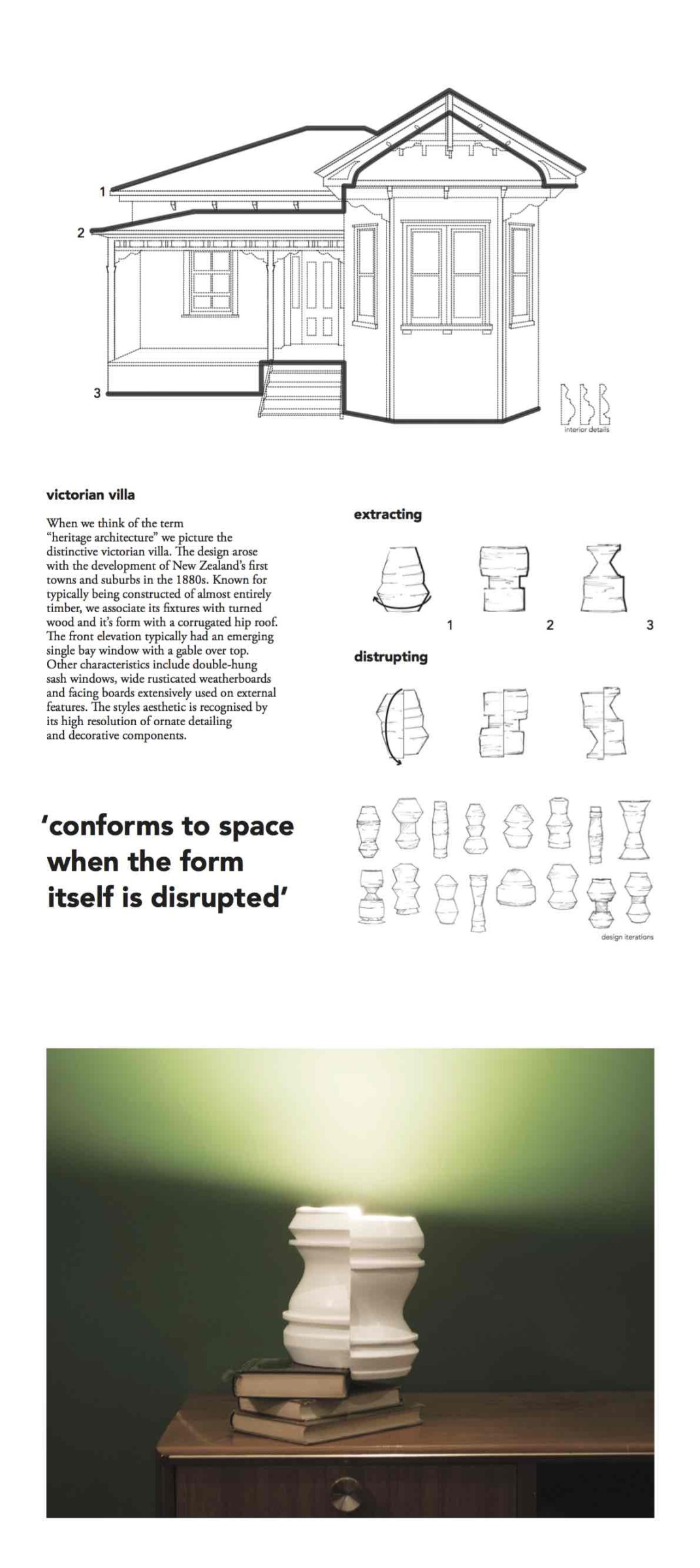
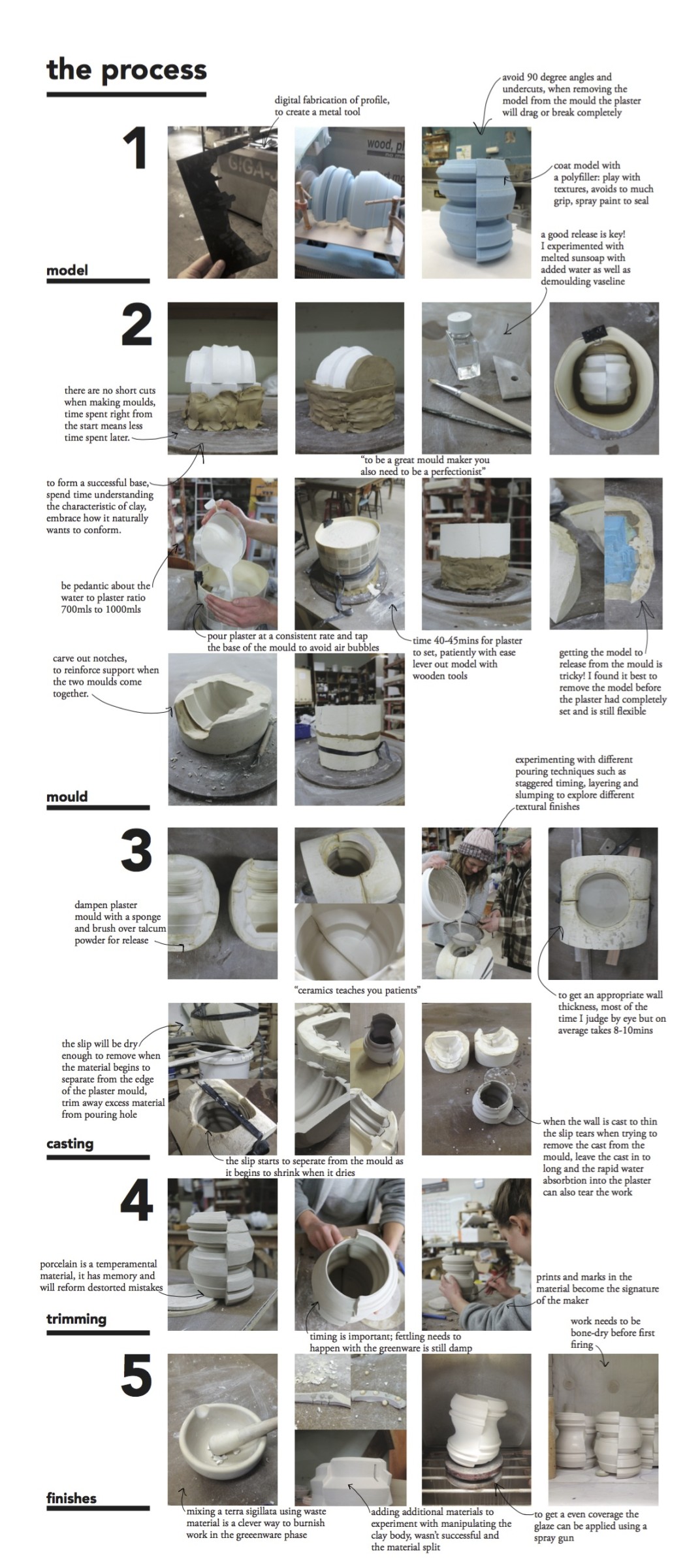
Gemma Hazlett – 400 level – 2014
454 Research Project
This paper explores a specific design research topic chosen by the student. Spatial design processes are applied to resolve the complexities of a design research project to an in-depth level of detail and inhabitation. Students development a design brief that formulates a critical position in relation to spatial design, establishing tangible links between theory and practice to identify design processes to generate design research response.
Overview: Whakatinana
Whakatinana is the ability to make manifest concepts and ideas. It is a skill where people are able to e ectively use a framework to make thoughts a reality. Whakatinana invites people to add body to a thought, give life to a concept, make manifest a dream. Whakatinana respects that there will be challenges in the world and that every challenge should be taken seriously and planned for with due caution. When you accept challenges and respect the importance of support structures, having great people around you and thorough preparation, is it virtually inevitable that you will earn respect.
Schedule
week 1 Intent
“There is always a gap between intention and action.”
― Paulo Coelho
AP SF MR
- tangible response
- update Assessment Criteria
- weekly presentation
- what you are doing
- why you are doing it
- how you are doing it
- clusters
week 2 Awareness
“Awareness without action is worthless.”
— Phil McGraw
- interpret someone else’s project (present back in 1 min)
- verbal presentation 1 min with 1 min feedback
AP MR
week 3 Site
“I make a model of the site. There are some obvious things: where the entrance should be, where the cars have to go in. You start to get the scale of it.”
— Frank Gehry
- Coherent idea: the what, the who, the when, the how, the where, and the why
- Models: prototypes/ mockups/ details/ physical
- Experience diagram / Journey map
- Post-it note session
Deliverables
A large section of your project including the site
AP SF MR
week 4 Experience
“Good design to me is both appearance and functionality together. It’s the experience that makes it good design.”
—Michael Graves
- further development with a focus on the experience you are designing
AP MR
week 5 Explore
- draft 1200 x 1200 presentation TBC
AP MR SF
week 6 Adapt
- exhibition TBC
AP MR
week 7
- A1 poster tbc
week 8
week 9
week 10
week 11
- constructive feedback presentation
AP MR SF
week 12
- 400 level spatial exhibition?
AP MR SF
Exposure Friday 4th November
Learning outcomes
Students who successfully complete this paper should be able to:
- Demonstrate an ability to shape the relationship between creative work and audiences, clients, markets, users, consumers, participants and/or citizens [Graduate Profile: Connectedness – Whanaungatanga – A1]
- Initiate and contribute to innovative developments in creative practice and research [Graduate Profile: Creativity – Toi C3]
- Combine technical excellence with intellectual and conceptual rigour and research in order to produce high quality creative outputs. [Graduate Profile: Virtuosity – Mohio, D2]
- Demonstrate strong, persuasive visual and verbal communication skills [Graduate Profile: Connectedness – Whanaungatanga E1]
- Think and work independently and collaboratively, making autonomous decisions, managing workload and deadlines [Graduate Profile: Autonomy – Mana E3]
Assessment criteria
You will be assessed on the following areas:
- Depth of a considered; concept development, through prototyping exploration, and/or iteration practices.
- Refinement and execution of your research, responding to limitations/complications, to an acceptable level of detail within a defined scope.
- Coherent presentation/communication/documentation of a well crafted and constructed project.
- Demonstration of independent creative integrity across the breadth of your project.
- Articulate a clear critical position of your own design research practice.
455 Studio Project
This paper explores a specific design topic chosen by the student. Spatial design processes are applied to resolve the complexities of a design project to an in-depth level of detail and inhabitation. Students development a design brief that formulates a position in relation to spatial design, to identify design processes to generate a design response.
Learning outcomes
Students who successfully complete this paper should be able to:
- Demonstrate an ability to shape the relationship between creative work and audiences, clients, markets, users, consumers, participants and/or citizens [Graduate Profile: Connectedness – Whanaungatanga A1]
- Contribute to innovative developments in creative practice [Graduate Profile: Creativity – Toi C3]
- Combine technical excellence with creative thinking in order to produce high quality creative outputs. [Graduate Profile: Virtuosity – Mohio D2]
- Demonstrate strong, persuasive visual and verbal communication skills [Graduate Profile: Connectedness – Whanaungatanga E1]
- Think and work independently and collaboratively, making autonomous decisions, managing workload and deadlines [Graduate Profile: Autonomy – Mana E3]
Assessment criteria
You will be assessed on the following areas:
- Depth of a considered; concept development, through prototyping exploration, and/or iteration practices.
- Refinement and execution of your project, responding to limitations/complications, to an acceptable level of detail within a defined scope.
- Coherent presentation/communication/documentation of a well crafted and constructed project.
- Demonstration of independent creative integrity across the breadth of your project.
Student Work Examples
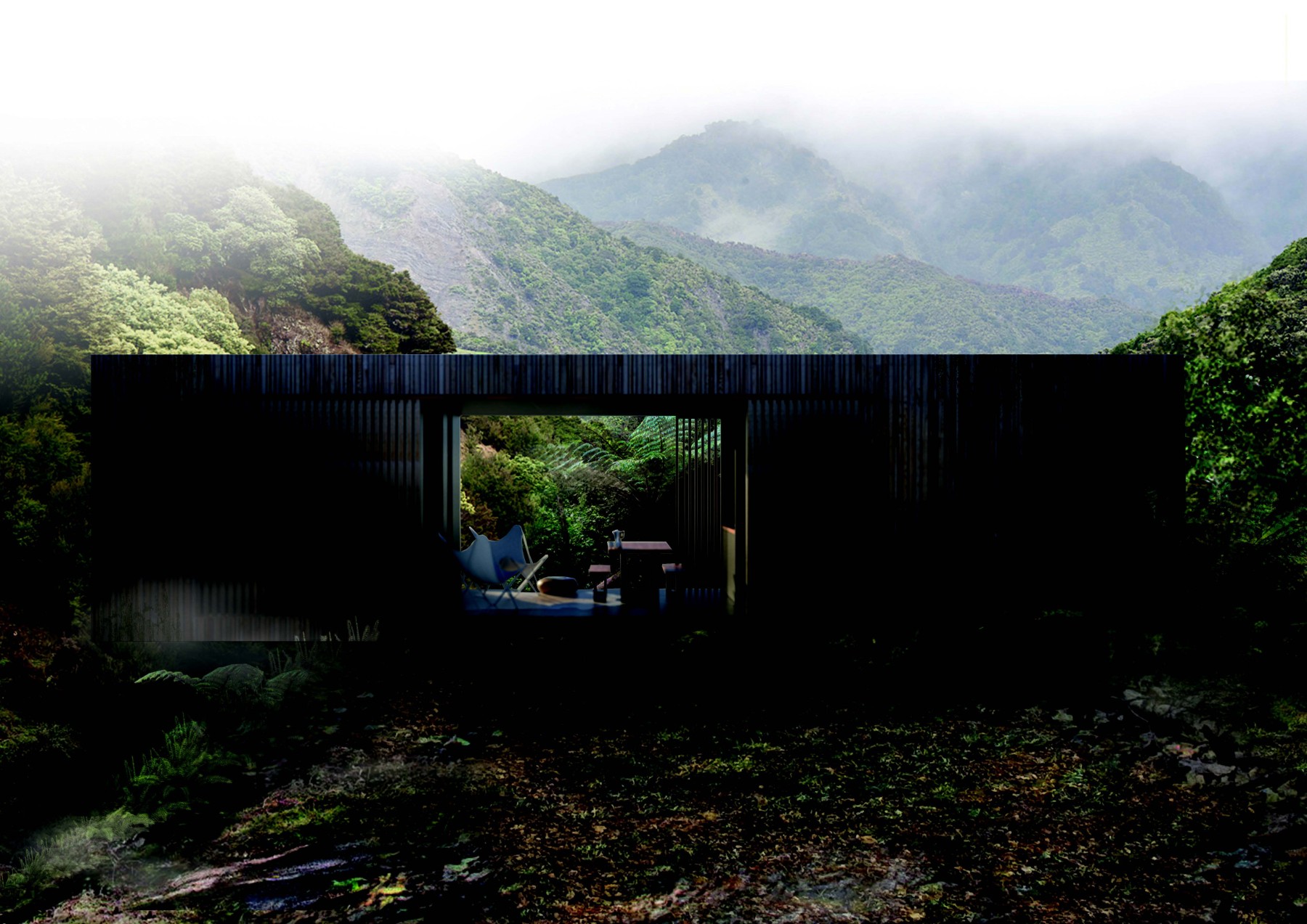
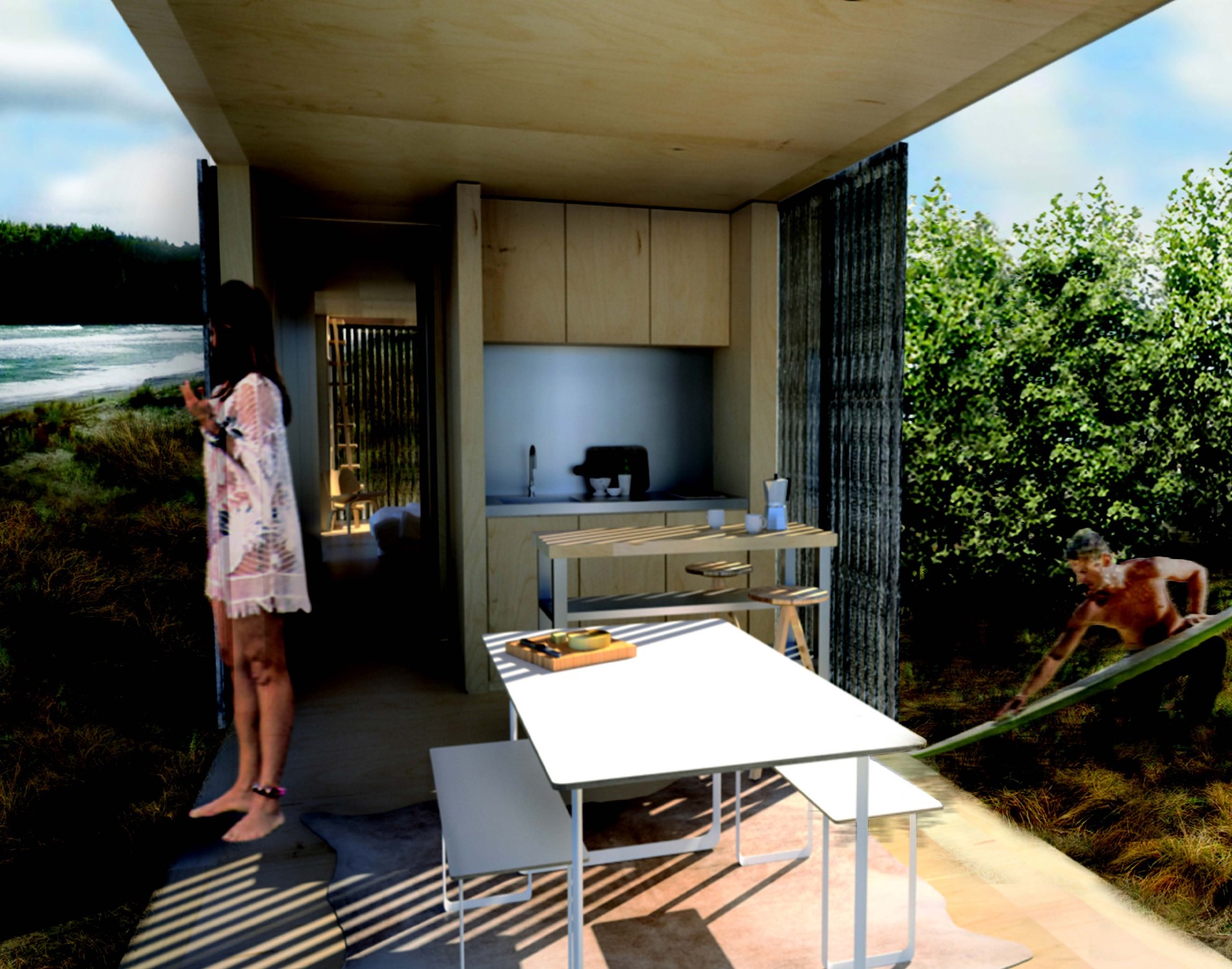
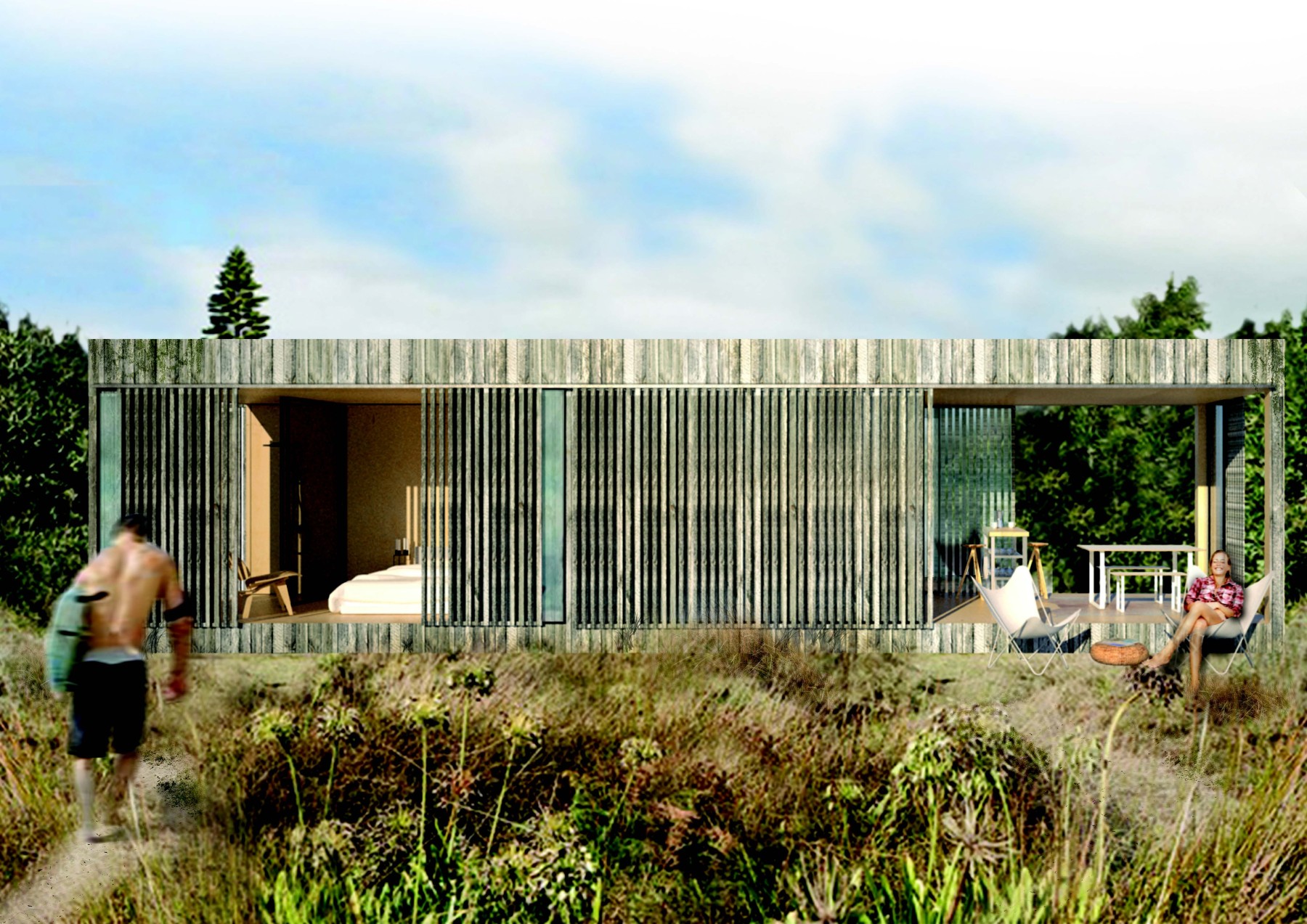


Last modified: August 1, 2016