Codes & Standards
Codes and Standards draw a ‘line in the sand’ regarding the compliance of designers, vendors, engineers and owners regarding the design, fabrication and operation of buildings and equipment.
They are designed to protect buildings and the people and property inside them from hazards. They also ensure structural integrity; electrical, plumbing and mechanical system safety, as well as accessibility, optimal living/dwelling conditions and practical and achievable levels of energy efficiency. See more information here
As Spatial Designers in Aotearoa there are many types of codes that we should be considerate of, this goes beyond ‘building specific’ codes but also includes cultural/social codes too. Below is some foundational information about important codes to familiarise yourself with.
__________________________________________________________________________________
The New Zealand Building Code
All building work in New Zealand must comply with the Building Code, even if it doesn’t require a building consent. This ensures buildings are safe, healthy and durable for everyone who may use them. It is a performance-based code, which means it states how a building must perform in its intended use rather than describing how the building must be designed and constructed.

Click here to view downloadable PDF files of the above NZ Building Code sections.
__________________________________________________________________________________
NZS 3604 (Timber Framed Building Standard)
NZS 3604 is New Zealand’s most sought-after standard. It provides methods and details that are used to design many NZ timber-framed houses and small buildings, including many residential decks. Builders, architects, engineers, designers and students will find it useful. NZS 3604 can be used for timber-framed buildings with one, two or certain configurations of three storeys. It provides a way of complying with the New Zealand Building Code requirements for the structure of those buildings, including their foundations, framing layout, member sizes, bracing systems, fixings and connectors when read along with the Acceptable Solution B1/AS1.

Click here to access the latest version of NZS304:2011.
- You may need to login to the standards NZ website through Massey:
ezproxy.massey.ac.nz/login?url=http://shop.standards.co.nz/IPCheck/login.jsp - After logging in through Massey you can search for “NZS 3604” (or any other NZ standard)
- You can then download a PDF of the standard:
__________________________________________________________________________________
The Wellington District Plan
The Wellington City District Plan is a document that helps the Council manage the development of the city by regulating the environmental effects created by new buildings and activities. It is a legal document which Wellington City Council is required to have under the Resource Management Act 1991 (the RMA).
The plan contains rules that may affect you if you’re making a development or land-use proposal.
Link to the Wellington District Plan
__________________________________________________________________________________
Te Aranga Māori Design Principles
Te Aranga Māori Design Principles were developed by Māori design professionals as a response to the New Zealand Urban Design Protocol in 2005. Over time the principles have evolved and been adopted by the Auckland Council with the support of Ngā Aho and are being promoted across all council built projects.
The Te Aranga Design Principles (TADP), which have evolved from this strategy, address the processes of economic, social, environmental and spatial development changes. They are a set of outcome-based principles founded on Māori cultural values and formulated to provide practical guidance for enhancing outcomes for the design environment.
The core values of rangatiratanga, kaitaiakitanga, manaakitanga, wairuatanga, kotahitanga, whanaungatanga and mātauranga are important to understand as it is the way of engaging and collaborating within Te Ao Māori (the Māori world) and within Te Ao Hurihuri (the changing world).
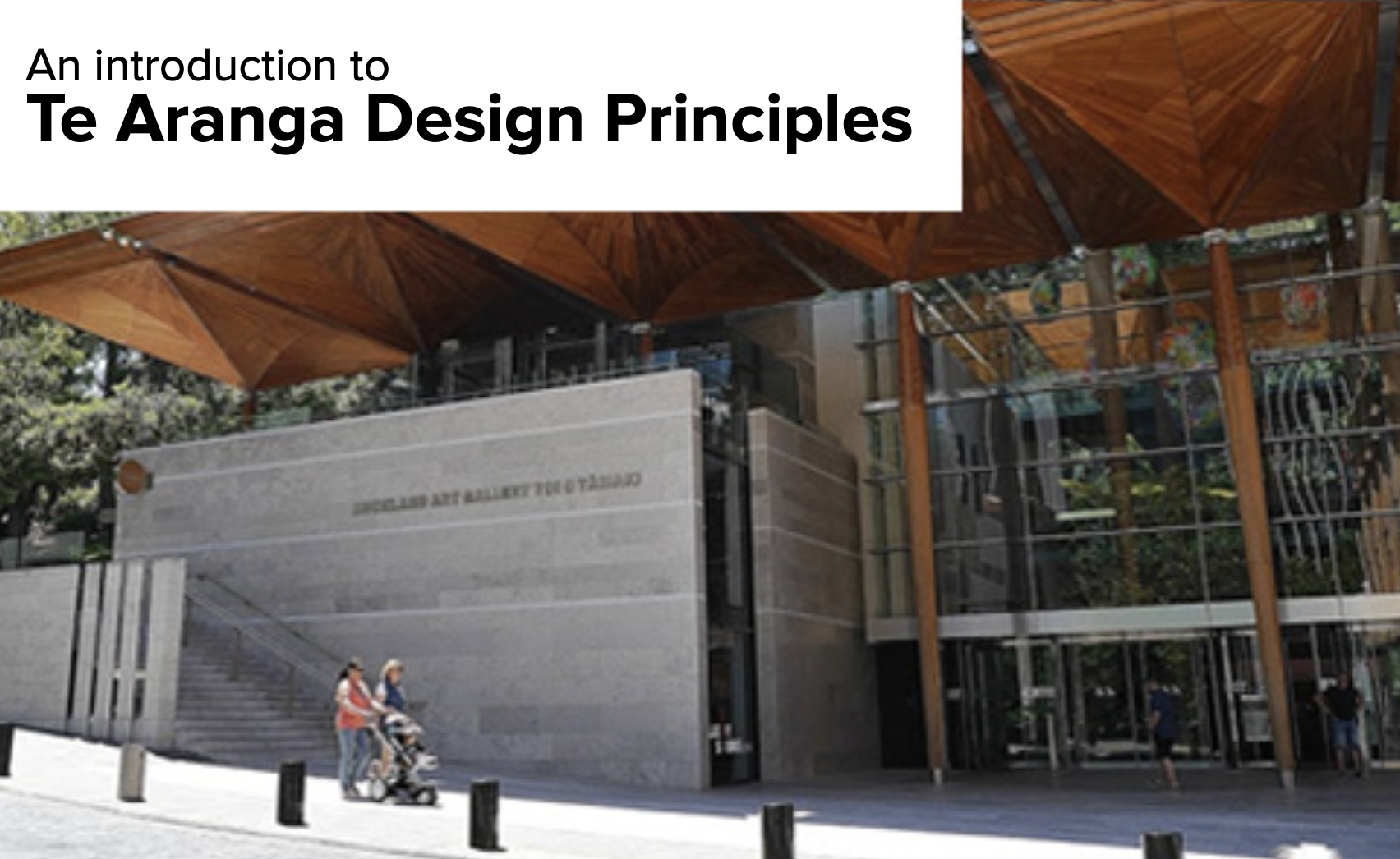
View the introduction to the Te Aranga Design Principles here.
__________________________________________________________________________________
Resource Management Act
The RMA (Resource Management Act) is the main piece of legislation that sets out how we should manage our environment. It is based on the principle of sustainable management. This involves considering effects of activities on the environment now and in the future when making resource management decisions.
View the Resource Management Act here
__________________________________________________________________________________
Health & Safety Risk Management Toolkit – Creative NZ
Creative New Zealand commissioned this Risk Management Toolkit (Toolkit) to help managers and administrators in New Zealand arts organisations to develop or improve their risk management practice. Risk, uncertainty and change exist for every organisation. You can be better prepared and reduce the likelihood of harm to your organisation and community through risk management.
View the Risk Management PDF here
__________________________________________________________________________________
Code of Ethics, The Designers Institute
This Code of Ethics is issued by the Designers Institute of New Zealand (“the Institute”) for the compliance of all its members in whatever capacity they work, study or practise as designers. Compliance with the Code is a requirement of Institute members. Although the Code represents a minimum standard of behaviour for members, Members are generally expected to achieve levels of professionalism exceeding the minimum required in both competence and conduct.

Last modified: January 12, 2021